en
en
 sr
sr  sl
sl  ro
ro  it
it  hu
hu  fr
fr  es
es  de
de  bg
bg 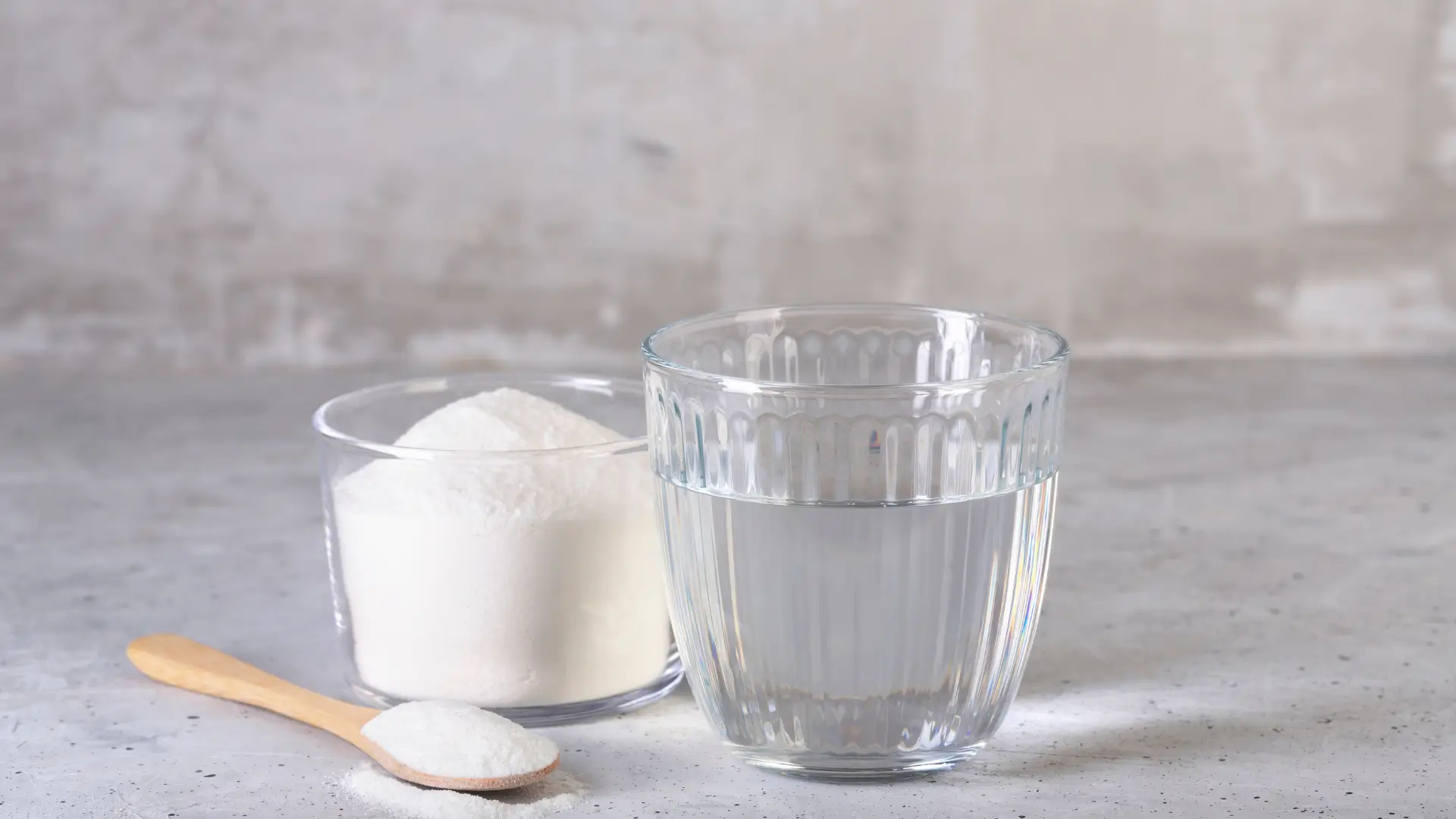
After successfully navigating the choices of collagen type and hyaluronic acid molecular weight, the formulator faces the final frontier: sensory appeal and stability. A formula can be clinically perfect, yet fail spectacularly if it tastes fishy, leaves a gritty residue, or if its active co-factors degrade after two months on the shelf.
This is where the science of raw material quality meets the art of product formulation. This guide to solving common collagen formulation problems provides technical strategies for mastering off-notes, ensuring perfect solubility, and guaranteeing the long-term stability of your high-dose beauty supplement.
Challenge 1: The Off-Note Crisis (Taste & Smell)
The biggest sensory challenge comes from collagen’s source material, which can leave a subtle, savory, or pronounced “fishy” off-note (especially with marine collagen).
Strategy 1: Sourcing Low-Odor Grades
The first defense must be at the source. Insist on suppliers that provide highly refined, low-odor grades of collagen. This means the raw material has undergone rigorous, proprietary processing (usually enzyme hydrolysis and carbon filtration) to strip away volatile organic compounds before drying.
Strategy 2: Flavor System Architecture
Masking collagen off-notes is more complex than simply adding a flavor. It requires a tiered approach:
- Bitter Masking Agents: Small-dose ingredients that mute the inherent bitterness of the peptides.
- Flavor Boosters: Natural fruit, citrus, or berry flavors that provide a dominant, positive note.
- Sweeteners/Texturizers: Ingredients like erythritol or inulin that improve mouthfeel and sweetness without adding calories.
Challenge 2: The Stability Time Bomb (Vitamin C)
Vitamin C is essential for collagen synthesis, but in a dry powder mix, it is highly susceptible to oxidation, dramatically reducing the product’s shelf life.
Strategy: Choosing the Right Form
Avoid standard Ascorbic Acid in powder blends. Instead, formulators must use:
- Encapsulated Vitamin C: Coated in a protective barrier to shield it from moisture and oxygen.
- Mineral Ascorbates (Buffered): More stable, less acidic forms (e.g., Calcium Ascorbate), crucial for overall formula stability.
Challenge 3: Solubility and Mouthfeel
A poor mouthfeel—a gritty or grainy residue—is a guaranteed reason for consumer churn.
Solution: Agglomerated Peptides
High-quality collagen is often agglomerated. This process lightly binds fine powder particles together, making them heavier. Agglomerated powders:
- Dissolve almost instantaneously (no stirring required).
- Reduce dusting.
- Provide a clean, smooth mouthfeel.
| Formulation Challenge | Recommended Solution | Technical Key Metric |
|---|---|---|
| Fishy/Savory Taste | Sourcing Low-Odor Collagen | Volatile Organic Compounds (Low PPM) |
| Vitamin C Degradation | Using Encapsulated Vitamin C | Accelerated Shelf-Life Testing (High Stability) |
| Grittiness/Clumping | Using Agglomerated Collagen | Instant Solubility (Agglomeration Rate) |
| Unnatural Sweetness | Using Natural Flavor Maskers/Boosters | Clean Label Certification |
The Ultimate Solution: Partnering with a Technical Supplier
Solving these collagen formulation problems requires more than just buying raw ingredients; it requires technical support.
Gutenberg Block: Pull Quote
Instructions: Create a native “Pull Quote” or “Quote” block and insert:
Expert Tip
“You should never have to solve a taste problem with a cheap, heavy-handed flavor system. A high-quality supplier should solve 80% of your flavor issues by providing a collagen that is already neutral. Insist on tasting the raw material before you commit to a major formulation project.”
— Paul Nedzka, COO at Nutri Partners
By sourcing highly purified, agglomerated, and low-odor collagen alongside stabilized co-factors, you ensure that your scientifically superior formula delivers on its sensory promise.